

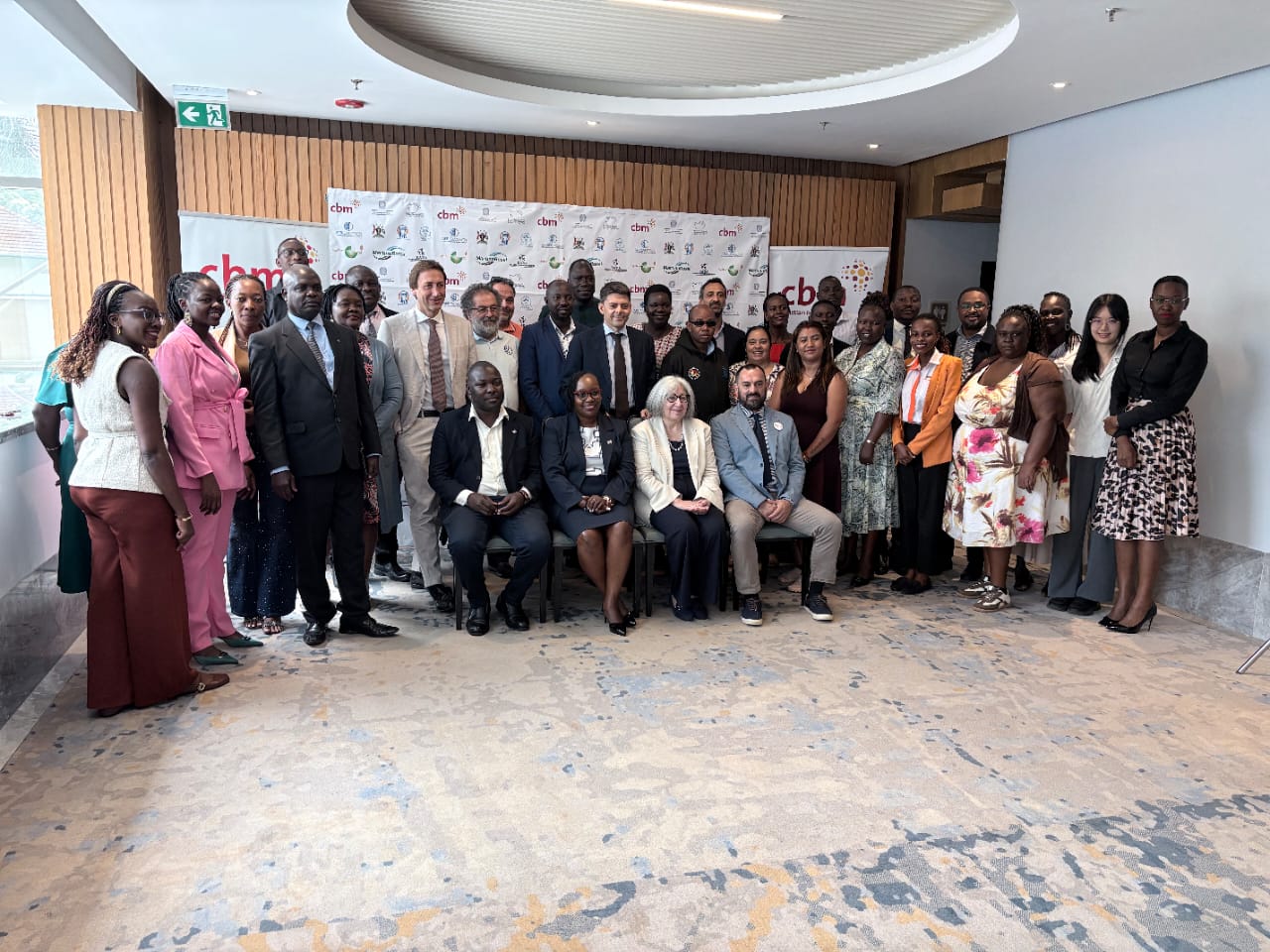
A new inclusive agriculture initiative launched in Kampala is targeting more than 6,100 beneficiaries across northern Uganda, with a strong focus on empowering persons with disabilities, women, and youth through sustainable farming, improved food security, and enhanced economic participation.
A new agriculture-focused initiative aimed at empowering vulnerable communities is offering renewed hope to persons with disabilities, with stakeholders calling for greater inclusivity in development programs across the country.
The ECO-Food Uganda project, launched on Friday in Kampala, seeks to promote sustainable agriculture and improve food access for over 6,100 beneficiaries in the districts of Adjumani, Kole, and Lira.
The initiative specifically targets women, youth, and persons with disabilities, groups that are often marginalized in economic development efforts.
Speaking at the launch, Esther Kyozira, Executive Director of the National Union for Persons with Disabilities of Uganda, commended Christian Blind Mission for prioritizing inclusive economic empowerment.
Kyozira noted that many persons with disabilities remain trapped in a cycle of poverty due to systemic exclusion from development programs. She emphasized the need for deliberate efforts to ensure that modern agricultural technologies are accessible to all.
“Persons with disabilities have for long been excluded from development, which has trapped many in a vicious cycle of poverty. As we adopt new technologies to boost agricultural production, they must also be tailored to meet the needs of persons with disabilities,” she said.
The ECO-Food Uganda project aims to strengthen the skills and decision-making capacity of small-scale farmers while promoting diversified and environmentally sustainable farming systems.
By enhancing productivity and resilience, the initiative is expected to improve food security and household incomes in the targeted regions.
Jackie Marlene Kwesiga, Country Director of Christian Blind Mission, underscored the project’s inclusive design, noting that it intentionally integrates persons with disabilities at every stage.
“This project is designed to ensure that no one is left behind. We are focusing on building the capacity of farmers, including persons with disabilities, to actively participate in sustainable agriculture and improve their livelihoods,” Kwesiga said.
Meanwhile, Teresa Savanella, Director of the Italian Agency for Development Cooperation, highlighted the broader significance of investing in agriculture, describing it as a cornerstone of Uganda’s development agenda.
“Investing in agricultural development is critical and aligns with Uganda’s national development priorities. Projects like ECO-Food not only enhance food security but also drive inclusive economic growth,” she noted.
The initiative comes at a time when Uganda continues to prioritize agriculture as a key driver of economic transformation, particularly for rural communities.
By focusing on inclusion, stakeholders believe the ECO-Food project will play a vital role in reducing inequalities while strengthening resilience among vulnerable populations.
As implementation begins, beneficiaries and partners alike are optimistic that the project will deliver lasting impact—transforming livelihoods, improving food systems, and ensuring that persons with disabilities are fully integrated into Uganda’s development journey.
